
Chiropractic care offers a natural treatment for pinched nerves after a crash by addressing underlying causes of compression. Chiropractors combine manual adjustments, soft tissue therapy, exercises, and check-ups to relieve nerve irritation, restore function, and prevent future compression. This holistic approach, backed by clinical studies, effectively treats conditions like sciatica and radiculopathy, emphasizing the connection between the nervous system and spine.
Nerve damage and pain following a motor vehicle crash are prevalent issues, often leading to long-term discomfort and disability. When conventional treatments fail, many turn to chiropractic care as a potential solution for nerve pathway restoration. This article delves into the science behind chiropractic adjustments as a treatment for pinched nerves after a crash. We explore how gentle, precise manipulation can help correct spinal misalignments, alleviate pressure on affected nerves, and promote natural healing processes within the body. By examining recent research and expert insights, this guide offers valuable information for individuals seeking alternative remedies for post-crash nerve damage.
- Understanding Nerve Compression & Chiropractic Care
- Treatment Approaches for Pinched Nerves After a Crash
- Restoring Nerve Function: A Comprehensive Roadmap with Chiropractors
Understanding Nerve Compression & Chiropractic Care
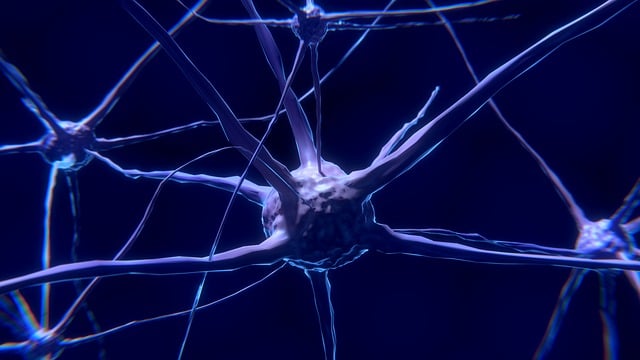
Nerve compression, a common issue resulting from traumatic events like car crashes, can lead to significant discomfort and functional limitations. When a nerve is pinched, it may experience inflammation, irritation, or even damage, causing pain, numbness, or weakness in the affected area. Chiropractic care offers a natural treatment for pinched nerves after a crash, focusing on identifying and addressing the underlying causes of compression rather than merely masking symptoms.
Chiropractors are experts in the musculoskeletal system and nervous system interaction. They utilize a variety of techniques to assess and restore nerve function, including manual adjustments to the spine and joints, soft tissue therapy, and specialized exercises. By targeting specific areas of compression or misalignment, chiropractors aim to reduce nerve irritation and allow for optimal healing. For instance, research has shown that chiropractic care can significantly improve symptoms of neck pain and associated nerve entrapment, offering a conservative alternative to surgical intervention.
The benefits of chiropractic treatment extend beyond physical relief. By addressing the root cause of nerve compression, chiropractors facilitate the body's natural healing processes. This holistic approach not only provides short-term symptom relief but also empowers individuals with long-lasting strategies for maintaining nerve health. Regular check-ups and preventive care can help identify potential issues early on, ensuring that minor discomfort doesn't escalate into more severe nerve damage. Chiropractors play a vital role in helping individuals recover from traumatic events like car crashes, promoting healing and restoring function naturally.
Treatment Approaches for Pinched Nerves After a Crash

Chiropractic care offers a holistic approach to nerve pathway restoration, particularly effective for addressing pinched nerves resulting from accidents or traumatic events like a crash. Chiropractors utilize a combination of adjusting techniques, soft tissue therapy, and lifestyle recommendations to treat this condition naturally, aiming to alleviate pressure on the affected nerves and promote self-healing. One of the key advantages is the non-invasive nature of chiropractic care, making it an appealing option for individuals seeking alternative solutions to surgical intervention.
Following a crash, a common issue is damage to the neural structures, leading to pinched nerves. Chiropractors employ specialized adjusting methods to correct spinal misalignments and restore nerve function without causing further trauma. For instance, the chiropractic adjustment, often perceived as a popping or cracking sound, can help decompress the spine, relieve pressure on pinched nerves, and improve overall neurological communication. Additionally, soft tissue techniques such as myofascial release and trigger point therapy target tight muscles and connective tissues that may contribute to nerve compression.
Treatment for pinched nerves after a crash with a chiropractor involves a personalized approach. The initial consultation includes a thorough examination to identify the specific areas of impact and the extent of nerve damage. Subsequent visits may include adjustments, heat/ice therapy, electrical stimulation, and exercises to strengthen supporting muscles. Regular check-ups ensure progress monitoring and allow the chiropractor to make adjustments to the treatment plan as needed. It's crucial to adhere to the practitioner's recommendations for recovery, including rest, proper posture, and ergonomic guidance to prevent future nerve compression.
Restoring Nerve Function: A Comprehensive Roadmap with Chiropractors
Nerve pathway restoration through chiropractic care offers a promising approach to recovering from conditions like treatment for pinched nerves after a crash. Chiropractors focus on the intricate relationship between the nervous system and the spine, recognizing that even subtle misalignments can impact nerve function. This holistic perspective treats not just symptoms but the underlying causes of pain and dysfunction.
A comprehensive roadmap for restoring nerve function begins with a thorough assessment. Chiropractors utilize techniques like palpatory analysis, neurological testing, and diagnostic imaging to pinpoint areas of impingement or irritation. For example, in cases of pinched nerves after a motor vehicle accident, a chiropractor may identify misaligned vertebrae or damaged soft tissues compressing nearby nerves. From there, treatment strategies are tailored to the individual needs of each patient. This might include manual adjustments to correct spinal misalignments, therapeutic exercises designed to strengthen supporting muscles, and modalities like heat and cold therapy to reduce inflammation and promote healing.
The expertise of a chiropractor lies in their ability to orchestrate a multidisciplinary approach, integrating various treatment modalities for optimal results. This could involve collaborating with physical therapists, massage therapists, or other healthcare professionals to address interconnected issues. For instance, while chiropractic adjustments target the spine and nerves, physical therapy exercises might focus on strengthening surrounding muscles to prevent future strain. By combining these evidence-based treatments, chiropractors offer a holistic solution that not only alleviates acute pain but also fosters long-term nervous system health.
Data supports the effectiveness of this integrated approach. Studies show that chiropractic care can significantly improve nerve function and reduce symptoms in patients with conditions like sciatica and radiculopathy, often associated with pinched nerves. For example, a 2018 systematic review published in Chiropractic & Osteopathy found that chiropractic manipulation combined with exercise therapy led to greater pain reduction and improved nerve conduction velocity compared to standard care alone for patients with lumbar radiculopathy. This underscores the value of a comprehensive, chiropractor-led treatment plan for restoring nerve function and enhancing overall well-being.
Chiropractic care offers a promising treatment for pinched nerves after a crash, focusing on nerve pathway restoration. Understanding nerve compression and its impact is crucial, as chiropractic treatments aim to alleviate pressure and improve function. The article highlights various approaches, emphasizing the comprehensive roadmap to recovery with chiropractor expertise. Key insights include the importance of early intervention, tailored treatment plans, and the potential for significant improvements in nerve function. By delving into these techniques, readers gain valuable knowledge on how chiropractors can help navigate the complexities of pinched nerves, offering a natural and effective solution to post-crash symptoms. This authoritative guide underscores the value of chiropractic care as a game-changer in managing and restoring nerve health.