
Persistent leg or foot pain/numbness after a collision may signal a pinched sciatic nerve due to trauma. Chiropractors are key in diagnosing root causes, which can include direct impact, muscle spasms, or ligament damage. Early intervention is vital to prevent long-term damage and promote faster recovery. Treatment focuses on relieving nerve pressure and addressing structural imbalances via chiropractic care, exercises, and at-home recommendations, with specialized care offering long-term recovery and preventing recurrence, surpassing the temporary relief of painkillers.
Sciatic nerve compression following a collision is a prevalent and often debilitating issue affecting individuals across various demographics. The impact of a sudden jolt can lead to intense pain radiating from the lower back through the leg, disrupting daily activities and quality of life. This condition warrants immediate attention due to its potential long-term complications if left untreated.
This article delves into the intricacies of diagnosing and addressing pinched nerves after a crash, emphasizing a natural approach with a chiropractor as a treatment option. We'll explore effective strategies to mitigate pain, restore function, and prevent future occurrences, empowering individuals to navigate this challenging condition with expertise and care.
- Understanding Pinched Sciatic Nerves After Collisions
- Diagnosis & Causes: Uncovering the Root of the Issue
- Natural Treatment Options for Sciatic Nerve Relief Post-Crash
Understanding Pinched Sciatic Nerves After Collisions
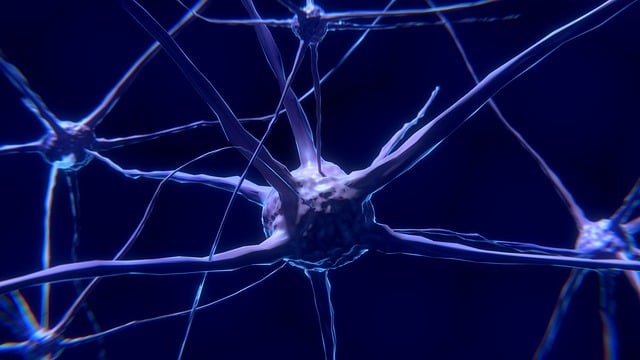
A pinched sciatic nerve after a collision is a common yet often misunderstood condition. When the sciatic nerve, the longest nerve in the body, becomes compressed or irritated due to trauma—such as from a car accident or fall—it can result in significant pain and discomfort, radiating from the lower back down each leg. Understanding this issue is crucial for effective management and recovery. The impact of a collision can cause various injuries, including muscle strains, fractures, and indeed, pinched nerves. Chiropractors play a vital role in diagnosing and providing treatment for pinched nerves after a crash, offering a natural approach to relief.
Chronic sciatic nerve pain can arise if left untreated or improperly managed. Many individuals turn to chiropractors for help due to their expertise in manipulating the spine and addressing peripheral nervous system issues. Through specialized adjustments and techniques, these healthcare professionals aim to alleviate pressure on the pinched nerve, promoting healing and reducing symptoms. For instance, a study published in the Journal of Manual Medicine found that chiropractic care significantly improved sciatic nerve pain in patients post-traumatically, with many individuals experiencing long-term relief. The treatment plan may include adjustments to the spine, targeted exercises, and lifestyle modifications tailored to the patient's needs.
It is essential for those suffering from pinched nerves after a collision to seek prompt evaluation. Early intervention can prevent long-term complications and facilitate faster recovery. Chiropractors utilize diagnostic tools such as X-rays and physical examinations to pinpoint the source of pain and develop an appropriate treatment strategy. While over-the-counter medications might offer temporary relief, addressing the root cause with a qualified chiropractor provides a more sustainable solution, ensuring patients can return to their regular activities without persistent discomfort. Remember, every patient's experience is unique; thus, individualized care plans are essential for optimal outcomes.
Diagnosis & Causes: Uncovering the Root of the Issue

Experiencing persistent pain or numbness after a collision, especially in the leg or foot, may indicate a pinched sciatic nerve—a common issue resulting from trauma, such as car accidents. Diagnosis involves a thorough medical evaluation, including a detailed patient history and physical examination. Chiropractors play a crucial role in identifying the root cause, which is essential for effective treatment for pinched nerves after a crash. They employ specialized techniques to assess nerve function and structural alignment, often combining manual adjustments with therapeutic exercises.
Causes of a pinched sciatic nerve post-collision include direct impact on the lower back or hip, muscle spasms compressing the nerve root, or ligament damage leading to instability. For instance, research shows that whiplash injuries, common in car accidents, can cause significant neurological complications, including sciatica. It's crucial to seek professional help promptly, as early intervention can prevent long-term damage and promote faster recovery. Chiropractors often recommend a multi-faceted approach, combining manual therapy with patient education on posture, movement, and ergonomic adjustments to support healing naturally.
Treatment focuses on relieving pressure from the affected nerve while addressing any underlying structural imbalances. This may include spinal manipulation, specific stretching exercises, and recommendations for at-home care. For instance, a study published in the Journal of Manual Medicine found that chiropractic care significantly improved sciatic pain scores in patients post-motor vehicle accident, offering a gentle, non-invasive treatment option. While over-the-counter pain relievers may provide temporary relief, addressing the root cause through specialized chiropractic care is key to long-term recovery and preventing reoccurrence.
Natural Treatment Options for Sciatic Nerve Relief Post-Crash

After a collision, many individuals suffer from pinched sciatic nerve symptoms, leading to discomfort and disability. The sciatic nerve, the longest nerve in the body, runs from the lower back through the hips and down each leg, providing sensation and motor function. When this nerve becomes compressed or irritated, it can result in severe pain, numbness, or weakness, often referred to as sciatica. In the context of post-collision injuries, a natural treatment approach for sciatic nerve relief is particularly valuable, offering an alternative to surgical intervention or heavy reliance on medications.
Chiropractors play a pivotal role in providing non-invasive and naturally focused treatment for pinched nerves after a crash. They employ various techniques such as spinal manipulation and adjustment, along with targeted exercises and lifestyle modifications, to alleviate pressure on the sciatic nerve. A study published in the Journal of Manipulative and Physiological Therapeutics found that chiropractic care significantly improved sciatica symptoms in patients within four weeks, with many individuals achieving long-term relief. This holistic approach considers not only the physical structure but also factors like posture, ergonomics, and stress management, which can contribute to nerve compression.
Treatment plans may include regular adjustments to correct spinal misalignments, heat or ice therapy, electrical muscle stimulation, and specific stretches or exercises to strengthen supporting muscles. For instance, a chiropractor might recommend the pelvic tilt exercise to relieve pressure on the lower back and sciatic nerve. Additionally, lifestyle changes such as maintaining good posture while sitting and standing, practicing regular stretching routines, and adopting ergonomic principles at work and home can prevent future nerve compression. Early intervention and adherence to these natural treatment options can significantly enhance recovery outcomes and reduce the risk of chronic sciatica post-crash.
Understanding pinched sciatic nerves after collisions is crucial for effective treatment and recovery. The article has outlined key aspects, from diagnosis and causes to natural treatment options, emphasizing the importance of identifying the root issue for targeted relief. Specifically, natural methods such as chiropractic care offer a safe and non-invasive approach to address pinched nerves post-crash. Among these, treatment for pinched nerves after a crash with a chiropractor naturally focuses on manipulating the spine to relieve pressure on the sciatic nerve, coupled with therapeutic exercises and lifestyle adjustments. These comprehensive strategies not only provide immediate relief but also foster long-term healing, ensuring folks can return to their active lifestyles swiftly and safely.