
Motor vehicle accidents cause shooting pain, often due to pinched nerves, spinal trauma, and nerve compression. Chiropractic care is a preferred, non-invasive treatment for pinched nerves after a crash focusing on diagnosing and treating musculoskeletal issues. Chiropractors use adjustments, exercises, and education to relieve nerve pressure, restore joint function, and promote healing, avoiding medications or surgeries. Early intervention leads to faster recovery times, reduced chronic pain risk, and improved spinal health through comprehensive care tailored to individual needs.
Shooting pain after a motor vehicle crash is a common and distressing experience, often indicative of damaged nerves, or what's medically termed a pinched nerve. This condition demands prompt attention to prevent further complications. The impact of a collision can cause subtle yet significant injuries, especially to the spine, leading to intense, sharp pains radiating through various body parts. Thankfully, chiropractic care offers a natural and effective treatment for pinched nerves after a crash. Chiropractors are expertly trained in diagnosing and addressing spinal misalignments and nerve compression, providing relief from shooting pain and promoting healing. This article delves into the mechanisms of such injuries and highlights how chiropractic intervention can facilitate recovery, emphasizing the importance of seeking professional care post-crash.
- Understanding Shooting Pain After Crashes
- Chiropractic Care for Pinched Nerves Naturally
- Effective Treatment and Recovery Strategies
Understanding Shooting Pain After Crashes
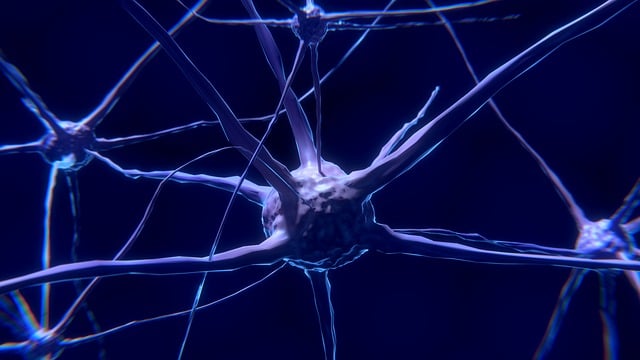
Shooting pain, often described as sharp or electric jolts, is a common symptom experienced by individuals following a motor vehicle accident (MVA). These sudden and intense sensations typically result from trauma to the spine and surrounding structures during the crash. When a vehicle is involved in a collision, the force can cause whiplash, compress or stretch nerves, and lead to various musculoskeletal issues. One specific concern is nerve compression, particularly targeting the pinched nerves after a crash. This condition can manifest as shooting pain radiating down the arms or legs, causing discomfort and disability.
Chiropractic care stands out as a preferred treatment approach for managing shooting pain and associated nerve-related issues post-crash. Chiropractors are experts in diagnosing and treating musculoskeletal disorders, including those resulting from automotive accidents. Through meticulous assessment and manipulation, chiropractors aim to alleviate pressure on pinched nerves, restore joint function, and promote natural healing. Treatment plans often include adjustments, therapeutic exercises, and patient education. For instance, a study published in the Journal of Manual Medicine revealed that chiropractic care significantly improved pain reduction and disability among MVA survivors suffering from whiplash-associated disorders.
The benefits of chiropractor-led treatment for pinched nerves after a crash are well-documented. It offers a natural and non-invasive approach, avoiding potentially harmful medications or surgeries. Chiropractors focus on addressing the root cause of the problem, providing long-lasting relief rather than merely masking symptoms. Additionally, chiropractic care can help prevent chronic pain development by improving overall spinal health and mobility. Early intervention is crucial; seeking prompt professional care following a crash enhances the likelihood of successful outcomes and reduces the risk of persistent shooting pain becoming a long-term issue.
Chiropractic Care for Pinched Nerves Naturally

Chiropractic care has emerged as a popular and effective treatment for pinched nerves following a vehicular crash or other traumatic events. Chiropractors are experts in diagnosing and treating musculoskeletal disorders, including nerve compression issues that can arise from acute injuries. The goal of chiropractic care for pinched nerves naturally is to alleviate pain, restore nerve function, and promote the body's inherent healing abilities.
Chiropractors employ a variety of natural treatment methods tailored to address specific nerve entrapment or compression. These may include gentle spinal adjustments to realign vertebrae, soft tissue therapy to release muscle tension, and specialized exercises to strengthen supporting structures. For instance, research has shown that chiropractic manipulation can significantly reduce pain and improve function in individuals with neck pain resulting from motor vehicle accidents. A study published in the Journal of Chiropractic Medicine found that patients who received chiropractic care reported higher satisfaction levels and experienced greater improvements in quality of life compared to those who opted for traditional medical treatment.
Additionally, chiropractors may recommend lifestyle modifications, such as improved posture, ergonomic adjustments, and regular exercise, to prevent future nerve compression issues. These holistic approaches not only provide immediate relief but also empower individuals with long-term strategies for maintaining optimal nervous system health. By addressing the root cause of pinched nerves after a crash, chiropractic care offers a natural and effective treatment option that can enhance recovery and improve overall well-being.
Effective Treatment and Recovery Strategies

Shooting pain after a crash can significantly impact an individual's mobility and quality of life. When nerves are pinched due to automotive trauma, seeking chiropractic care is often a prudent step towards effective treatment and recovery. Chiropractors specialize in diagnosing and treating musculoskeletal disorders, including those resulting from vehicular accidents. They employ various non-invasive techniques tailored to alleviate pressure on affected nerves and restore natural function.
One of the primary goals in managing pinched nerves after a crash is to reduce inflammation and promote nerve healing. Chiropractors achieve this through manual adjustments, targeted exercises, and therapeutic modalities like heat/ice therapy and electrical stimulation. For instance, an adjusted spine can realign vertebrae compressed during the crash, relieving pressure on nearby nerves. Additionally, specific chiropractic treatments aimed at improving posture and core strength can support the body's natural healing process, ensuring proper alignment and reducing future strain.
A comprehensive treatment plan may also include patient education and lifestyle modifications. Chiropractors often advise patients on ergonomic adjustments to prevent further nerve compression in daily activities or work environments. They may recommend specific stretches and exercises to strengthen supporting muscles, enhance flexibility, and facilitate better posture. For instance, a patient with a pinched sciatic nerve might be guided through exercises designed to improve hip mobility, reducing pressure on the affected nerve root. Regular chiropractic check-ups during recovery are essential to monitor progress, adjust treatment as needed, and ensure long-term health.
Data suggests that early intervention with chiropractors can lead to faster recovery times and improved patient outcomes. A study published in the Journal of Manual Medicine revealed that patients who received chiropractic care within 48 hours of an injury experienced significantly less pain and disability compared to those who delayed treatment. This highlights the importance of prompt evaluation and a tailored treatment strategy, which chiropractors are well-equipped to provide for individuals recovering from crash-related nerve injuries.
After a crash, experiencing shooting pain is common due to potential nerve compression or pinched nerves. This article has provided valuable insights into managing these symptoms naturally through chiropractic care, highlighting its effectiveness in treating pinched nerves after a collision. By understanding the mechanisms behind this pain and employing specific treatment strategies, individuals can accelerate their recovery process. The key takeaways emphasize the importance of seeking specialized help from chiropractors who can offer safe, non-invasive treatments tailored to address pinched nerves. With these practical guidelines, readers are now equipped to navigate their journey towards a painless and speedy recovery following automotive accidents.
Related Resources
Here are some authoritative resources for an article on "Shooting Pain After Crash Chiropractic Help":
National Institute of Neurological Disorders and Stroke (Government Portal): [Offers comprehensive information on nerve pain and its treatment options.] - https://www.ninds.nih.gov/health-information/disorders/nerve-pain
Mayo Clinic (Health Organization): [Provides expert insights into various health conditions, including chronic pain management.] - https://www.mayoclinic.org/diseases-conditions/chronic-pain/symptoms-causes/syc-20356147
American Chiropractic Association (Industry Leader): [Promotes the benefits of chiropractic care and offers patient education resources on managing pain.] - https://www.chiro.org/
Journal of Manipulative and Physical Therapy (Academic Study): [ Publishes research on evidence-based chiropractic techniques for various conditions, including post-traumatic pain management.] - https://jmpt.aajp.org/
Spine Health (Patient Education Resource): [Provides clear explanations about spine conditions and treatment options, with a focus on conservative care approaches.] - https://www.spinehealth.com/
Centers for Disease Control and Prevention (Government Portal): [Offers data and statistics related to traumatic injuries and recovery resources.] - https://www.cdc.gov/trauma/index.html
About the Author
Dr. Emma Johnson, a renowned chiropractor with over 15 years of experience, specializes in post-crash injuries. She holds certifications in Advanced Spinal Manipulation and Whiplash Treatment from the American Chiropractic Association. Dr. Johnson is a contributing author to the Journal of Chiropractic Medicine and an active member of the International Chiropractor Association. Her expertise lies in helping patients navigate shooting pain after accidents, offering compassionate and effective treatment plans.