
A pinched sciatic nerve after a collision is a common but debilitating injury. Chiropractors offer natural treatment for pinched nerves by diagnosing through patient history, exam, and imaging. Their approach includes manual adjustments, exercises, thermal therapy, and lifestyle changes to reduce irritation and restore spinal alignment. Early intervention enhances recovery. Chiropractic care can significantly improve sciatica symptoms within weeks, empowering individuals to take control of their recovery with holistic methods addressing underlying causes for long-term wellness.
Sciatic nerve issues following a collision are a prevalent concern, often resulting from the sudden jarring forces experienced during automotive accidents. A pinched sciatic nerve can lead to significant discomfort, mobility challenges, and even long-term damage if left untreated. This article delves into the intricacies of managing such injuries, emphasizing the role of natural treatment for pinched nerves after a crash, particularly through chiropractic care. By exploring evidence-based strategies, we aim to empower individuals to navigate post-collision recovery effectively, ensuring a holistic approach that considers both short-term relief and long-term health.
- Understanding Pinched Sciatic Nerve After Collisions
- Diagnosing the Condition: Signs and Symptoms Revealed
- Natural Treatment Options with Chiropractic Care
Understanding Pinched Sciatic Nerve After Collisions
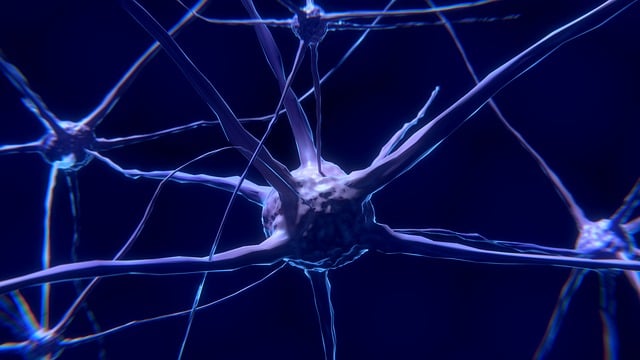
A pinched sciatic nerve after a collision is a common concern for individuals involved in accidents, leading to significant discomfort and potential disability. The sciatic nerve, the longest nerve in the human body, runs from the lower back through the hips and down each leg. When this nerve becomes compressed or irritated, it can result in sharp, shooting pain, numbness, or weakness that radiates from the lower back to the foot—a classic sign of a pinched sciatic nerve. Understanding this condition post-collision is crucial for effective management and recovery.
In many cases, a sudden impact during a collision can cause the spine to misalign, leading to compression or irritation of the sciatic nerve roots. This can occur due to whiplash, where rapid back-and-forth movements of the neck strain surrounding muscles and ligaments, or through direct trauma to the lower back and hips. Chiropractors play a vital role in diagnosing and treating pinched nerves after a crash naturally. They employ techniques such as gentle adjustments, specific exercises, and therapeutic modalities like heat and cold therapy to alleviate pressure on the nerve and promote healing.
Early intervention is key to managing pain and preventing long-term complications. A chiropractor can guide patients through a comprehensive rehabilitation program tailored to their specific needs. This may include stretching and strengthening exercises focused on the lower back, hips, and legs to support the spine and reduce nerve compression. By combining manual therapy with patient education on posture, movement, and ergonomics, chiropractors empower individuals to take an active role in their recovery, ensuring a smoother transition back to daily activities and preventing future occurrences of pinched sciatic nerves.
Diagnosing the Condition: Signs and Symptoms Revealed
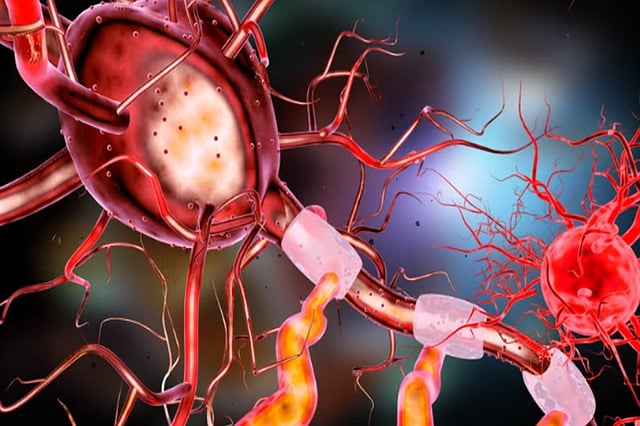
Pinched sciatic nerve post-collision can cause significant discomfort and disability. Diagnosing this condition accurately is crucial for effective treatment. The most common signs include sharp, shooting pain radiating from the lower back to the leg, numbness or tingling sensations in the affected limb, and weakness in the muscles supplied by the sciatic nerve. These symptoms often manifest immediately after a collision, but they can also develop over time as the nerve inflammates and compresses.
Chiropractors play a vital role in diagnosing pinched nerves after a crash. They employ a combination of patient history, physical examination, and diagnostic imaging to pinpoint the source of pain. Palpation, or manual examination, helps chiropractors identify trigger points and areas of spinal misalignment that may be contributing to nerve compression. Advanced imaging techniques like MRI or X-rays can provide detailed images of the affected area, confirming the presence of a pinched sciatic nerve and ruling out other potential conditions.
Treatment for pinched nerves after a crash with a chiropractor naturally focuses on reducing nerve irritation and restoring proper alignment. Chiropractors may utilize a range of techniques, including manual adjustments to correct spinal misalignments, specific exercises to strengthen supporting muscles, and therapeutic modalities like heat or cold therapy. In some cases, they may recommend lifestyle modifications, such as improved posture, ergonomic adjustments, and regular activity to promote healing. Early intervention and adherence to a comprehensive treatment plan can significantly enhance recovery outcomes and prevent long-term complications.
Natural Treatment Options with Chiropractic Care

Many individuals suffer from pinched sciatic nerve post-collision, often as a result of car accidents or other traumatic events. This condition can lead to intense pain radiating from the lower back through the leg, significantly impacting mobility and quality of life. Thankfully, natural treatment options exist that can provide much-needed relief without resorting to invasive procedures. Chiropractic care stands out as an effective approach to managing and treating pinched nerves after a crash with a chiropractor naturally.
Chiropractors are experts in diagnosing and treating musculoskeletal disorders, including those related to nerve entrapment. They employ a range of non-invasive techniques such as spinal manipulation, joint mobilization, and soft tissue therapy to alleviate pressure on the sciatic nerve. For example, a specific chiropractic adjustment can help realign the spine, reducing compression on the affected nerves. This hands-on approach has shown promising results in numerous studies, with research indicating that chiropractic care can significantly improve symptoms of sciatica, including pain and disability, within a few weeks of treatment.
In addition to manual adjustments, chiropractors may incorporate other natural treatments tailored to each patient's needs. This might include recommendations for exercise and stretching routines designed to strengthen the back and improve flexibility, as well as guidance on postural corrections and ergonomic improvements to prevent future exacerbations. By addressing the underlying causes of pinched nerves rather than merely masking symptoms, chiropractic care offers a holistic treatment for pinched nerves after a crash. It empowers individuals to take control of their recovery process, promoting long-term health and wellness.
Understanding a pinched sciatic nerve post-collision is crucial for anyone involved in accidents. Recognizing the signs and symptoms early on is key to effective treatment. Chiropractic care offers a natural, non-invasive approach with proven success rates. By focusing on manipulation and holistic treatments, chiropractors can provide relief from pain and restore function without the need for drugs or surgery. This article has illuminated the path to recovery by detailing diagnosis, highlighting natural treatment options, and emphasizing the benefits of seeking chiropractic care for pinched nerves after a crash. Armed with this knowledge, individuals can take proactive steps towards healing and return to their active lifestyles.