
Chiropractic care is a natural treatment for pinched nerves after accidents like car crashes. Chiropractors diagnose through medical history review, imaging, and orthopedic tests. Treatment involves adjusting misalignments, reducing nerve pressure, and using modalities like soft tissue therapy. Early intervention prevents symptom progression, promoting faster recovery with less risk than surgery. Personalized care plans focus on restoring nerve function and alleviating pain for active living.
Nerve damage and pain following a motor vehicle crash are prevalent issues, with many seeking effective, natural treatments to restore function and alleviate suffering. A common yet often overlooked solution is chiropractic care, particularly for the treatment of pinched nerves after a crash. Chiropractors are experts in the spine and nervous system, utilizing various techniques to realign the vertebrae and relieve pressure on affected nerves. This article delves into the intricate world of nerve pathway restoration through chiropractic adjustments, offering valuable insights into a potential game-changer for those recovering from crash-related injuries.
- Understanding Nerve Compression: Causes & Symptoms After a Crash
- Chiropractic Care: Natural Treatment for Pinched Nerves
- Restoring Nerve Function: Step-by-Step Recovery Plan with Chiropractice
Understanding Nerve Compression: Causes & Symptoms After a Crash
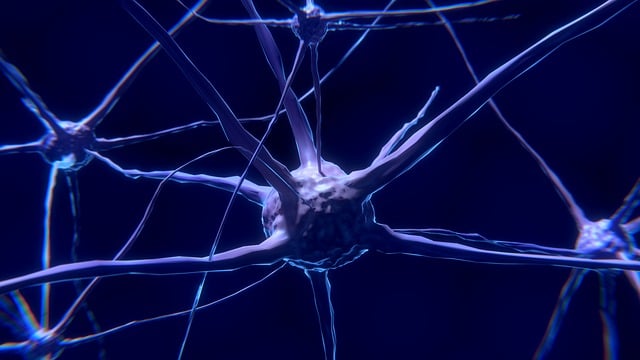
Nerve compression following a crash is a common issue, often resulting from acute injuries like car accidents or sports traumas. In such instances, the impact can cause structural damage to the spine, leading to pinched nerves—a condition that demands prompt attention for effective nerve pathway restoration. Chiropractors play a pivotal role in diagnosing and treating these complications, offering a natural approach to alleviate pain and optimize nervous system function.
The initial assessment involves a detailed examination of the patient's medical history, particularly focusing on the incident leading up to their symptoms. Chiropractors utilize specialized techniques, such as x-rays or other imaging studies, to pinpoint areas of nerve compression within the spine. Common causes include herniated discs, misaligned vertebrae, or altered joint mobility, all of which can exert pressure on spinal nerves, resulting in localized pain, numbness, or weakness. For example, a study published in the Journal of Manipulative and Physiological Therapeutics found that chiropractic care significantly improved nerve compression symptoms in patients post-motor vehicle accidents.
Treatment for pinched nerves after a crash with a chiropractor naturally focuses on correcting structural misalignments and reducing pressure on affected nerves. Chiropractors employ various hands-on techniques, including adjustments and manipulations, to restore joint function and alleviate nerve irritation. Additionally, they may recommend specific exercises or lifestyle modifications tailored to the patient's needs. Early intervention is crucial, as prompt treatment can prevent the progression of symptoms and promote faster healing. By addressing the root causes of nerve compression, chiropractors enable the body to naturally heal, offering a safe and effective alternative to surgical interventions for many individuals seeking relief from post-crash nerve pain.
Chiropractic Care: Natural Treatment for Pinched Nerves

Chiropractic care offers a natural treatment for pinched nerves, particularly following traumatic events like a car crash. Chiropractors focus on the relationship between the spine and nervous system, recognizing that compression or misalignment in the spinal column can directly impact nerve function. When a nerve is pinched, either due to muscle spasms, bony misalignments, or tissue damage, it can result in pain, numbness, or weakness that radiates along the affected pathway. Chiropractors employ specialized adjusting techniques and manual therapy to restore normal joint motion and alleviate pressure on the pinched nerve.
One of the key advantages of chiropractic care as a treatment for pinched nerves after a crash is its non-invasive nature. Unlike surgical interventions, which carry inherent risks and may lead to further complications, chiropractic adjustments are gentle and tailored to the individual's needs. Research supports the effectiveness of chiropractic manipulation in treating pinched nerves, with studies showing significant improvements in pain reduction and nerve function restoration among patients receiving chiropractic care. For example, a 2018 meta-analysis published in the Journal of Manipulative and Physiological Therapeutics found that spinal manipulative therapy, a common chiropractic intervention, was associated with substantial reductions in pain and disability for individuals suffering from neck pain caused by whiplash injuries—a common consequence of car crashes.
Chiropractors often incorporate additional modalities into the treatment plan to enhance recovery. This may include soft tissue therapy, heat or ice therapy, electrical stimulation, and exercise prescription. These complementary treatments work in conjunction with adjustments to address various aspects of the injury, promoting faster and more comprehensive healing. It's important for individuals experiencing pinched nerves after a crash to seek prompt evaluation from a qualified chiropractor. Early intervention can prevent prolonged pain and disability, ensuring a smoother road to recovery. Chiropractors provide personalized care plans that consider unique symptoms, medical history, and lifestyle factors, enabling patients to regain nerve function and return to their active lives naturally.
Restoring Nerve Function: Step-by-Step Recovery Plan with Chiropractice

Nerve pathway restoration through chiropractic care offers a promising approach to healing and recovery, especially after traumatic events like a vehicle crash. The spine, a complex network of bones, nerves, and muscles, is susceptible to damage during such incidents, leading to pinched nerves and subsequent pain and dysfunction. Chiropractic treatment for pinched nerves after a crash focuses on restoring nerve function and alleviating symptoms through a meticulous step-by-step recovery plan.
The initial assessment involves a comprehensive examination to pinpoint the affected areas and the extent of the nerve compression. Chiropractors utilize a combination of orthopedic tests, imaging studies, and patient history to formulate a precise diagnosis. This careful evaluation is crucial for tailoring the treatment plan to individual needs. The recovery process typically commences with gentle adjustments to correct spinal misalignments, known as subluxations, which can put pressure on nearby nerves. These adjustments, performed with specialized techniques, aim to improve nerve conductivity and reduce inflammation.
As the treatment progresses, chiropractors may incorporate additional therapies such as soft tissue manipulation, heat/cold therapy, and exercise programs. These modalities work synergistically to promote healing, reduce scar tissue formation, and enhance nerve regeneration. For instance, studies have shown that chiropractic care, combined with specific exercises, can significantly improve nerve function and reduce pain in patients post-motor vehicle accidents. A patient's active participation in their recovery is vital; regular sessions and adherence to a prescribed home care routine are key to achieving optimal results.
Through this comprehensive exploration, readers have gained invaluable insights into nerve pathway restoration through chiropractic care, specifically as a treatment for pinched nerves after a crash. By understanding the causes and symptoms of nerve compression following a collision, it becomes evident that seeking specialized care can be transformative. Chiropractic offers a natural, non-invasive approach to restoring nerve function, as evidenced by its step-by-step recovery plan. This holistic method not only addresses the symptoms but also targets the root cause, promising long-lasting relief and improved overall well-being. With such compelling evidence and a clear roadmap for recovery, individuals now possess the knowledge to make informed decisions regarding their health, entrusting their care to qualified chiropractors and embracing a journey towards optimal nerve health.